
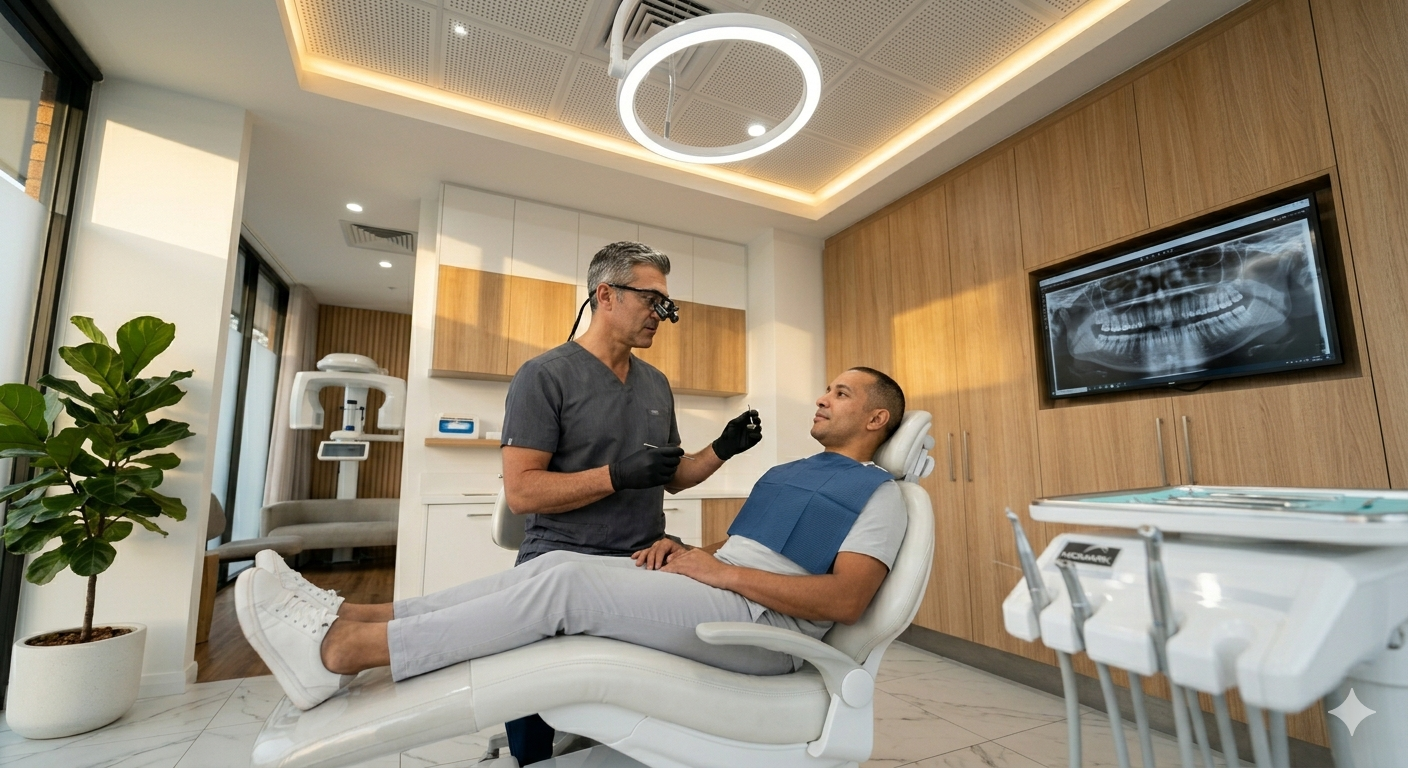
When a dental emergency strikes in Brooklyn, NY, knowing where to turn can make all the difference. An emergency dentist in Brooklyn provides timely care for urgent issues like severe tooth pain, knocked-out teeth, or broken restorations, helping to relieve pain and prevent further damage.
Many patients worry about what counts as a dental emergency or how quickly they need treatment. Emergency dentists in the area understand these concerns and offer services designed to address problems promptly and comfortably, often outside regular office hours.
With modern technology and gentle techniques, these dentists not only fix immediate issues but also focus on comfort and long-term oral health. If a sudden dental problem arises, reaching out to a Brooklyn emergency dental provider can provide reassurance and expert help when it’s needed most.
Not every toothache or dental issue requires urgent treatment, but some symptoms demand quick action to prevent further damage or pain. Knowing the difference helps patients seek care promptly and avoid unnecessary discomfort or complications.
Severe tooth pain that doesn’t improve with over-the-counter painkillers is a common sign of a serious issue. Swelling around the face or jaw, which can indicate infection, is another significant warning.
Other signs include bleeding that won’t stop, loose or knocked-out teeth, broken dental work, and persistent bad taste or odor in the mouth. These symptoms often indicate infections, trauma, or other conditions needing prompt evaluation.
Certain situations require immediate dental care, often within 24 hours. A knocked-out tooth is a critical emergency; quick action can sometimes save it. Similarly, uncontrolled bleeding from oral injuries or severe swelling that affects breathing require urgent attention.
A sudden, sharp pain accompanied by fever or pus drainage signals infection that needs rapid treatment. Broken or dislodged crowns, fillings, or braces causing pain or injury also call for quick dental visits.
Emergency dentists specialize in dental trauma, infections, and severe tooth pain. They can often provide same-day care for most dental emergencies. The ER is best for life-threatening situations like uncontrollable bleeding, jaw fractures, or difficulty breathing after facial trauma.
If symptoms include head injuries, loss of consciousness, or severe swelling blocking airways, the ER should be the first stop. For dental pain, infection, or broken teeth without life-threatening signs, an emergency dentist is usually the right choice.
An emergency dental visit is designed to quickly identify the problem and provide relief. Patients can expect a clear plan to address pain and damage while ensuring comfort throughout the process.
When a patient first arrives, the dentist performs a focused assessment to understand the severity of the issue. This usually involves asking specific questions about pain, swelling, and any recent trauma.
A quick oral examination follows, checking for broken teeth, infections, or gum injuries. The dental team often provides comfort measures like cold compresses or a calming environment to reduce anxiety.
This step ensures the patient feels heard and cared for before moving to treatment.
Pain management is a priority during an emergency dental visit. Dentists often use local anesthetics to numb the affected area, helping patients relax and stay comfortable.
For severe pain, oral medications such as NSAIDs or prescribed painkillers might be recommended. Sometimes, sedation options like nitrous oxide are available for those who are particularly anxious.
Patients usually experience significant pain reduction before any procedure starts, setting the stage for smoother treatment.
The specific treatment depends on the dental emergency but usually focuses on stabilizing the situation. For example:
The dentist explains each step clearly, so patients know what to expect. Follow-up care is arranged to complete any necessary repairs after initial relief.
Addressing dental pain quickly and carefully is crucial to avoid worsening your condition. Effective pain relief often involves practical home remedies and professional care tailored to your specific needs.
Toothaches can be sharp and persistent. Applying a cold compress to the outside of the cheek helps reduce inflammation and numb the area temporarily. Over-the-counter pain relievers like ibuprofen or acetaminophen are commonly recommended, but they should be taken according to the package instructions.
Saltwater rinses can also soothe irritation by keeping the mouth clean and reducing bacteria. Avoid very hot, cold, or sugary foods, which could worsen sensitivity. These measures relieve pain but are not a permanent fix; seeking dental care is essential.
Swelling often accompanies dental emergencies, such as infections or trauma. Applying ice packs for 15-20 minutes every hour helps control swelling and reduces discomfort. Keeping the head elevated, even while sleeping, also limits blood flow to the area and helps swelling go down.
For bleeding, gently biting on sterile gauze applies pressure to stop it. Avoid rinsing vigorously as it may dislodge clots and increase bleeding. If bleeding persists beyond 20 minutes or is heavy, immediate dental or medical attention is necessary.
Dental professionals use advanced techniques to minimize pain during emergency visits. Local anesthesia blocks pain signals effectively, allowing the dentist to treat the problem gently. Some dentists may offer sedation options for anxious patients to ensure comfort.
After treatment, dentists provide tailored pain management plans, including prescription medications if needed. They also give clear aftercare instructions to promote healing and prevent complications, making sure each step supports patient comfort and recovery.
Emergency dentists in Brooklyn offer precise solutions tailored to urgent dental issues. Whether a tooth has been broken or a filling has come loose, swift care is key to preventing further damage and pain.
When a tooth breaks or is completely knocked out, time is critical. Dentists in Brooklyn focus on saving the natural tooth whenever possible by properly cleaning and re-implanting it. For knocked-out teeth, patients should keep the tooth moist—ideally in milk or saliva—and get to an emergency dentist within an hour.
If re-implantation isn’t possible, dentists provide alternatives like bonding or crowns to restore function and appearance. Sometimes a root canal may be needed to treat damaged nerves, followed by a crown to protect the tooth. Immediate attention reduces infection risk and improves long-term outcomes.
Lost fillings and crowns can expose sensitive areas, causing discomfort and exposing teeth to decay. Brooklyn emergency dentists quickly assess the damage and often provide same-day temporary restorations to protect the tooth.
They use durable materials to replace or repair fillings and crowns, ensuring a tight fit to restore chewing ability and prevent further damage. If needed, more permanent solutions are scheduled promptly. Patients are advised to avoid sticky or hard foods until the restoration is secure, helping reduce the chance of additional emergencies.
Proper care after emergency dental treatment is crucial to ensure healing and avoid complications. Attention to recovery steps and habits can protect your smile and reduce discomfort. Following specific guidelines can make the difference between a smooth recovery and ongoing dental problems.
After an emergency dental visit, rest is important to allow your body to heal. Avoid strenuous activity for at least 24 hours, especially if you received anesthesia or sedation. Eating soft foods like yogurt or mashed potatoes helps protect treated areas and prevent irritation.
Keep the head elevated to reduce swelling. Applying a cold compress for 10-15 minutes can ease pain and inflammation. If prescribed, take pain medication or antibiotics exactly as directed. Avoid smoking and alcohol since they delay healing and increase infection risk.
Maintain oral hygiene by gently rinsing with warm salt water starting 24 hours after treatment. Brushing should be light around the injured spot to prevent reopening wounds. Follow any specific instructions given by the dentist about stitches, crowns, or fillings.
Preventing future problems starts with careful habits following the emergency treatment. Avoid chewing hard or sticky foods that might damage fragile teeth or dental work. Use a soft-bristled toothbrush and fluoride toothpaste to support enamel health.
Schedule a follow-up appointment to monitor healing and catch problems early. Regular dental checkups and cleanings reduce risks of infection or decay that could cause new emergencies. If grinding or clenching caused the injury, consider a mouthguard to protect teeth during sleep.
Drinking plenty of water and cutting back on sugary snacks will also help keep your mouth healthier. Staying informed and proactive ensures you keep your recovery on track and minimize chances of repeat emergency visits.
Finding the right emergency dentist means looking beyond just availability. It’s about expertise, communication, and personalized care that makes a stressful situation easier to handle.
A skilled emergency dentist in Brooklyn should have credentials like state licensing and ongoing education in urgent dental care. Experience with a broad range of emergencies—such as knocked-out teeth, severe pain, or infections—is critical.
They must stay calm under pressure and solve problems quickly without rushing care. Advanced technology and modern techniques also improve treatment quality and speed recovery.
Reading patient reviews and asking about their emergency protocols helps confirm their reliability. A dentist who can clearly explain treatment options and costs upfront offers transparency that patients appreciate.
Comfort is key during dental emergencies. Trusted Brooklyn dentists prioritize quick pain relief while making patients feel heard and supported. Friendly staff often provide flexible scheduling and clear follow-up plans.
Local practices typically understand community needs, offering extended hours or weekend care. They also emphasize preventive advice based on the patient’s history to avoid repeat emergencies.
Communication goes beyond the appointment, encouraging questions and building trust. This personalized approach ensures that patients return to a familiar, caring environment when emergencies arise.
Taking simple steps every day and keeping up with dental visits can greatly reduce the chances of dental emergencies. Building strong habits and scheduling routine check-ups help catch issues before they become urgent.
Healthy daily habits protect teeth from damage and decay. Brushing at least twice a day with fluoride toothpaste removes plaque and strengthens enamel.
Using a soft-bristled toothbrush and gentle circular motions helps prevent gum irritation. Flossing daily clears debris between teeth where brushes can’t reach, reducing the risk of cavities.
Limiting sugary snacks and drinks lowers acid buildup that wears down enamel. Drinking water throughout the day helps wash away food particles and bacteria.
Wearing a mouthguard during sports or if grinding teeth at night protects against fractures and chips. These consistent habits make a big difference in maintaining strong, healthy teeth.
Regular dental visits allow early detection of problems like cavities, gum disease, or misalignment before pain starts. Professionals can clean areas that normal brushing misses, preventing plaque buildup and decay.
Most dentists recommend check-ups every six months. These visits typically include x-rays, thorough examinations, and professional cleanings tailored to individual needs.
Identifying small issues early on prevents costly and painful emergencies later. Dentists can also offer advice on improving habits and provide treatments like sealants or fluoride applications to boost protection.
Encouraging patients to stick to their appointments keeps their oral health on track and reduces unexpected visits to an emergency dentist.
Brooklyn has several community-based options for urgent dental care that can help when a sudden tooth problem arises. Many clinics offer walk-in services or same-day appointments, making it easier to get quick relief.
Local health centers often provide affordable emergency dental services. For example, Brooklyn Health Center and NYC Health + Hospitals have dedicated dental units staffed by caring professionals who handle pain, injuries, and infections.
Here’s a quick overview of some resources:
| Location | Services Offered | Payment Options | Contact Info |
|---|---|---|---|
| Brooklyn Health Center | Emergency exams, extractions | Sliding scale, Medicaid | (718) 123-4567 |
| NYC Health + Hospitals | Urgent dental care, X-rays | Insurance, payment plans | (212) 555-7890 |
| Local Dental Schools | Supervised urgent care | Reduced fees | Check school website |
Patients should check with these centers ahead of time when possible. Many clinics also provide advice over the phone for managing pain or swelling before a visit.
Besides clinics, some pharmacies near you may carry temporary dental pain relief products. But remember, these only ease symptoms; seeing a dentist promptly is the best step.
If a dental emergency strikes, tapping into these community resources can make a stressful situation more manageable. It’s always okay to ask for help and find care that fits your needs and budget.
Dental emergencies can be confusing. Sometimes pain may come and go, or a tooth might feel loose after an accident. When unsure, the best step is to contact a trusted emergency dentist in Brooklyn, NY.
They are trained to evaluate symptoms quickly and suggest appropriate care. Whether it’s swelling, bleeding, or sudden discomfort, calling ahead can save you from worsening problems.
Here’s a simple guideline to decide when to reach out:
| Symptom | Action |
|---|---|
| Severe pain | Call immediately |
| Broken or knocked-out tooth | Seek emergency care |
| Mild discomfort | Monitor and schedule regular visit |
| Bleeding that won’t stop | Visit emergency dentist |
Emergencies don’t always happen during regular office hours. Many Brooklyn dentists offer after-hours support or on-call services to help patients in urgent need.
Remember, early communication prevents complications. A quick phone call can lead to immediate advice, pain relief, and a treatment plan tailored to each patient’s needs.
Encourage patients to keep contact numbers handy and not to hesitate. When dental trouble strikes, reaching out to the right expert is the safest and smartest choice.
Many dental emergencies require quick decisions about pain management, treatment options, and care timing. Knowing what to do right away and what to expect can help ease the stress of an urgent dental issue.
If the pain is accompanied by swelling that affects breathing or swallowing, or if there is uncontrolled bleeding, a visit to the emergency room is necessary. For sharp tooth pain without these severe symptoms, an emergency dentist is the best choice.
Try calling other local dental offices or urgent care dental clinics. If pain or swelling is severe, a trip to the emergency room is advisable. Applying a cold compress and taking over-the-counter pain relievers can help until professional care is available.
Yes, many emergency dentists can perform extractions during the initial visit if the tooth is severely damaged or infected. This helps relieve pain immediately and prevents further complications.
Most emergency dental practices aim to see patients within 24 hours for these issues. Early treatment reduces the risk of infection and prevents more extensive damage.
Rinse gently with warm salt water and use over-the-counter pain medication as directed. Avoid hot or cold foods if they trigger pain, and apply an ice pack on the cheek for 10 to 15 minutes to reduce swelling.
Costs vary but typically range from $150 to $400 depending on the treatment needed. Many emergency dentists accept major credit cards, offer payment plans, and work with some dental insurance providers to ease financial concerns.